
 1-888-323-7356
 1-800-103-7356
 800-13-7356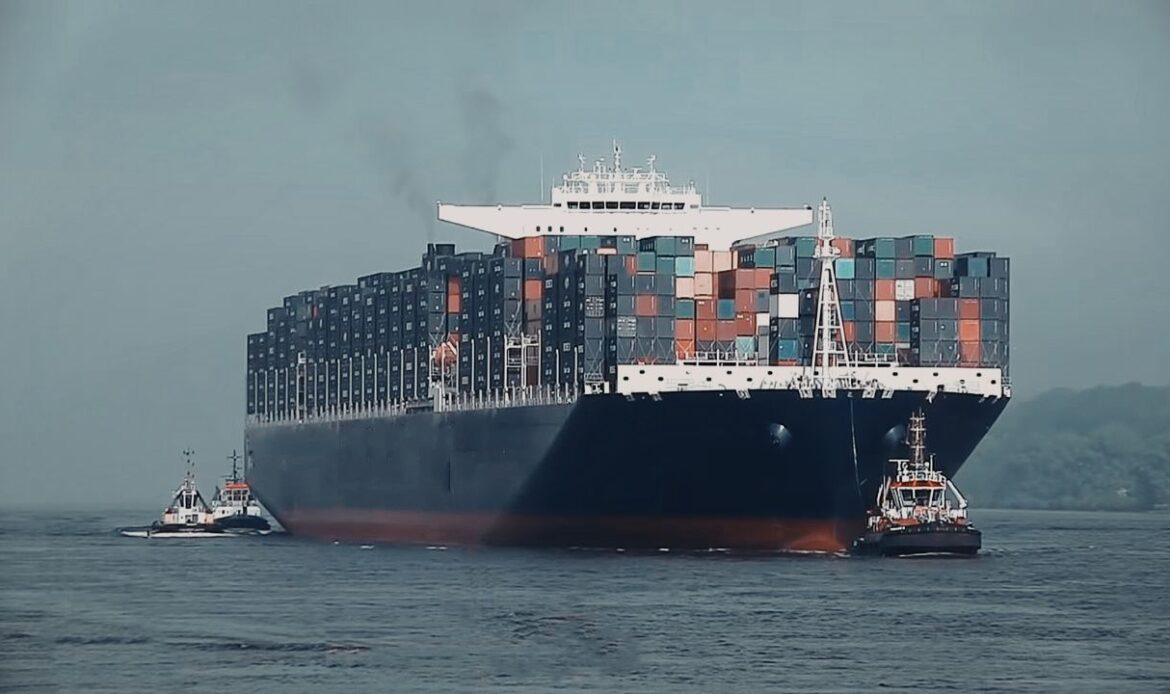
Navigating the world of international shipping can feel complex, especially when you need to send a package to India. Whether you’re a business managing your supply chain or an individual sending a personal gift, ensuring a smooth process is key. Understanding the best practices for transport to India can save you time, money, and stress. It helps you avoid common pitfalls like customs delays and unexpected costs, ensuring your shipment arrives safely and on time.
This guide will walk you through everything you need to know for a hassle-free experience. We will explore how to choose the right shipping options, understand the customs process, and properly prepare your package. By following these steps, you can make your next international shipping venture a success.
Understanding Your Shipping Options
The first step in planning your transport to India is choosing the right shipping method. The two primary choices for international shipping are air freight and sea freight. Each has its own set of advantages depending on your specific needs, such as budget, timeline, and the size of your shipment.
Air Freight: Speed and Reliability
If speed is your top priority, air freight is the best option. It is the fastest way to ship to India from the USA or any other country.
- Speed: Air freight significantly reduces transit time. Your package can arrive in a matter of days rather than weeks. This is ideal for time-sensitive documents, high-value goods, or urgent deliveries.
- Reliability: Airlines operate on strict schedules, which generally leads to more predictable delivery time estimates.
- Security: Air cargo typically goes through stricter security checks and handling procedures, reducing the risk of damage or theft.
While air freight offers many benefits, it usually comes with higher shipping costs compared to sea freight. It is a great choice for smaller, lighter shipments where a quick delivery justifies the expense.
Sea Freight: The Cost-Effective Choice
For larger, heavier, or less urgent shipments, sea freight is a highly cost-effective solution. Businesses often rely on sea freight to manage their supply chain and move large volumes of goods.
- Cost Savings: Shipping rates for sea freight are considerably lower, especially for bulk items. This makes it the go-to method for commercial goods, household moves, and any large package to India.
- Capacity: Ships can carry a massive amount of cargo, so there are fewer restrictions on size and weight compared to airplanes.
- Environmental Impact: On a per-ton basis, sea freight has a smaller carbon footprint than air freight, making it a more eco-friendly choice.
The main trade-off is a longer transit time. A shipment by sea can take several weeks to reach its destination. If you are not on a tight schedule, the affordable rate of sea freight is hard to beat.
Navigating Customs Clearance
Customs clearance is often the most challenging part of international shipping. A single mistake in your documentation can lead to significant delays and extra fees. Proper preparation is essential for smooth transport to India.
Required Documentation
To clear customs in India, you will need to provide a set of specific documents. While requirements can vary, the following are generally necessary:
- Commercial Invoice: This document details the contents of your shipment, including their description, quantity, and value. Customs officials must determine duties and taxes.
- Bill of Lading (for sea freight) or Air Waybill (for air freight): This is the contract between you and the carrier. It serves as a receipt for your goods.
- Packing List: An itemized list of what is inside your package. It should be detailed and accurate.
- Importer Exporter Code (IEC): For commercial shipments, the recipient in India must have an IEC issued by the Directorate General of Foreign Trade.
- Proof of Identity and Address of the Recipient: For personal shipments, a copy of the recipient’s government-issued ID is often required.
Working with experienced shipping services can be invaluable here. They can guide you on the exact documentation needed for your specific shipment, ensuring everything is in order before you send a package.
Understanding Duties and Taxes
Almost every item imported into India is subject to customs duties and taxes. These fees are calculated based on the assessed value of the goods, also known as the CIF value (Cost, Insurance, and Freight). The rates vary widely depending on the type of product. Being aware of these potential charges is crucial for managing your overall shipping costs. You can often estimate these fees beforehand, which helps prevent surprises for the recipient.
How to Prepare Your Package for International Shipping
Properly packing your items is a critical step in ensuring they arrive in one piece. International shipments are handled multiple times during their journey, so durable packaging is a must.
Choose the Right Box and Cushioning
Select a new, sturdy, double-walled corrugated cardboard box. Avoid reusing old boxes, as they may have lost their structural integrity. The box should be slightly larger than the item you are shipping to allow for cushioning materials.
Use high-quality materials like bubble wrap, packing peanuts, or foam to protect your items. Wrap each item individually and fill any empty spaces within the box to prevent contents from shifting during transit. This is especially important for fragile goods.
Seal and Label Correctly
Seal your box securely using strong packing tape. Apply tape across all seams and flaps to reinforce the package.
Your shipping label should be clear, accurate, and securely attached to the top surface of the box. It should include:
- The recipient’s full name, address, and phone number.
- Your full return address and phone number.
- The tracking number is provided by your carrier.
It’s also a good practice to place a duplicate label inside the box in case the exterior one is damaged or lost.
Choosing the Right Shipping Partner
The success of your transport to India heavily depends on the partner you choose. Look for a company that offers comprehensive services and has a proven track record in international shipping.
What to Look for in a Shipping Company
- Range of Services: A good partner will offer various shipping options, including both air freight and sea freight, as well as different courier services. This allows you to select a service that fits your budget and timeline.
- Transparent Pricing: Look for a company that provides clear and detailed quotes. You should understand all potential shipping costs upfront, including fuel surcharges and customs handling fees. An affordable rate is important, but it should not come at the expense of reliability.
- Excellent Customer Service: When you have questions or an issue arises, you need responsive and helpful customer service. A reliable partner will keep you informed throughout the shipping process.
- Customs Expertise: A company with deep knowledge of Indian customs regulations is a major asset. They can help you navigate the paperwork and customs clearance process, preventing costly delays.
- Tracking Capabilities: Real-time tracking gives you peace of mind. The ability to monitor your package from pickup to delivery is a standard feature of modern shipping services.
How Long Does It Take to Ship a Package to India?
The delivery time for a package to India depends on the shipping option you select. If you choose air freight, the typical transit time is between 5 to 10 business days. For sea freight, the journey is much longer, usually taking 4 to 8 weeks. These timelines do not include potential delays in customs clearance.
Final Tips for a Smooth Experience
To wrap up, here are a few final tips to ensure your transport to India is as smooth as possible:
- Plan Ahead: Don’t wait until the last minute. Give yourself plenty of time to research shipping options, gather documents, and properly pack your items.
- Be Honest on Customs Forms: Accurately declare the contents and value of your shipment. Misrepresenting items can lead to fines, seizure of your goods, and significant delays.
- Insure Your Shipment: For valuable items, purchasing shipping insurance is a wise investment. It provides financial protection in the rare event that your package is lost or damaged.
- Communicate with the Recipient: Make sure the person receiving the package in India is aware of the shipment and is prepared to handle any necessary steps on their end, like paying duties.
Shipping to India doesn’t have to be a complicated ordeal. By understanding the process, preparing correctly, and choosing the right partner, you can ensure your package arrives safely and efficiently. Whether it’s a small parcel or a large freight shipment, following these best practices will set you up for success.Ready to simplify your next shipment to India? Explore the comprehensive shipping solutions offered by Universal Relocations to get started with a seamless and reliable service.