
 1-888-323-7356
 1-800-103-7356
 800-13-7356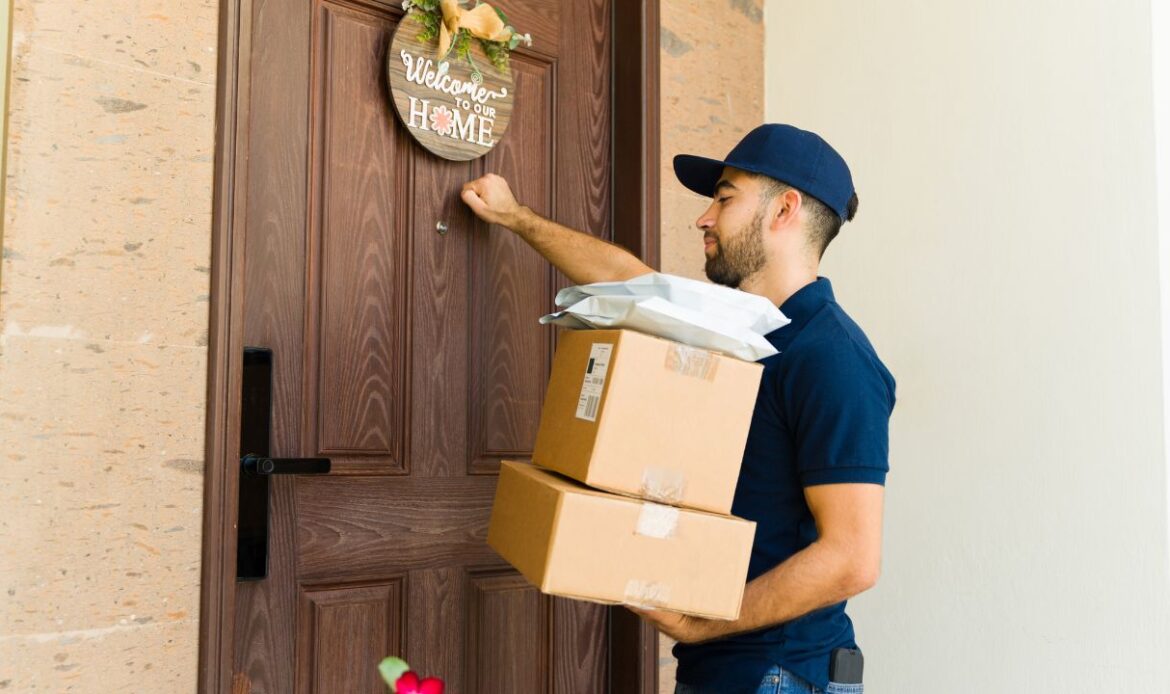
Navigating the world of logistics can feel complex. When you need to move goods, whether across the country or around the globe, you are faced with many choices. Two of the most common options are a door to door shipping service and traditional freight. While they both get your items from one place to another, the processes, responsibilities, and overall experience are quite different. Understanding these differences is key to choosing the right method for your needs.
This guide will break down the comparison between a door to door shipping service and traditional freight. We will explore how each works, its primary benefits and drawbacks, and which scenarios are best suited for each. By the end, you will have a clear picture of which option provides the best value, convenience, and peace of mind for your specific situation.
What is a Door to Door Shipping Service?
A door to door shipping service is exactly what it sounds like. It is an all-in-one logistics solution where a single company manages the entire journey of your shipment, from the collection point to the final destination. The process is designed for maximum convenience.
Here’s a typical breakdown of how it works:
- Pickup: The shipping company comes to your specified address, whether it’s your home, office, or warehouse, to collect the goods.
- Transportation: The company handles all transportation legs. This might involve trucks, trains, ships, or planes, depending on the distance and destination.
- Handling: All loading, unloading, and transfers between different modes of transport are managed by the service provider.
- Customs: For an international shipment, the provider manages the complex customs clearance process, including paperwork and duties.
- Delivery: The shipment is delivered directly to the recipient’s address, right to their doorstep.
Essentially, with door to door delivery, you hand off your goods at the start and don’t have to worry about them again until they arrive at their destination.
What is Traditional Freight Shipping?
Traditional freight shipping, often called port-to-port or terminal-to-terminal, is a more segmented process. In this model, the shipping company is only responsible for the main leg of the journey. For an international shipment, this usually means transporting the goods from the origin port or airport to the destination port or airport.
With traditional freight, you or your business are responsible for:
- Arranging transportation of your goods to the departure port or terminal.
- Managing the process of getting your goods from the arrival port or terminal to their final destination.
- Often, handling customs clearance yourself or hiring a separate customs broker.
This approach breaks the shipping process into distinct parts, with different parties responsible for each stage. It requires more hands-on management from the shipper.
Key Differences Explored
Let’s dive deeper into the specific areas where these two shipping services differ. Understanding these points will help clarify which method is better suited for your shipment.
The Shipping Process and Convenience
The most significant difference lies in convenience. A door to door shipping service offers a seamless, one-stop-shop experience. You provide the pickup and delivery addresses (down to the exact zip code), and the logistics company handles everything in between. This single point of contact simplifies communication and accountability. If there’s an issue, you know exactly who to call. This provides incredible peace of mind, especially for those new to shipping.
Traditional freight, on the other hand, requires you to act as a project manager. You must coordinate with multiple entities: a local trucking company for pickup, the main freight carrier, a customs broker, and another local delivery service at the destination. This juggling act can be time-consuming and stressful.
Cost Structure and Transparency
At first glance, the initial quote for traditional freight might seem lower than that for a door to door shipping service. This is because it only covers the main transit portion. However, the final shipping cost can be much higher once you add all the separate charges.
These can include:
- Local transport to the port.
- Terminal handling charges.
- Customs brokerage fees.
- Port storage fees if there are delays.
- Local transport from the destination port.
With a door to door shipping service, the quote is typically all-inclusive. It consolidates all these potential expenses into a single, upfront price. This makes budgeting far more predictable and transparent. While it might appear more expensive initially, it often proves to be more cost-effective in the long run by eliminating surprise fees.
Responsibility and Risk
When you choose door to door delivery, the shipping company assumes responsibility for the entire journey. If your goods are damaged during any part of the transit, from pickup and delivery to any point in between, there is a clear line of liability. The provider is accountable for the shipment’s safety from start to finish.
With traditional freight, liability is fragmented. If your shipment is damaged, you must first determine at which stage the damage occurred. Was it during local transport, at the port, on the vessel, or during final delivery? This can lead to complicated and often frustrating disputes between the various service providers involved, making it difficult to receive compensation.
Speed and Efficiency
Because a single company coordinates the entire process, a door to door shipping service is often faster and more efficient. The logistics provider optimizes the entire route, ensuring smooth transitions between different transport modes. This reduces idle time at ports and terminals, getting your shipment to its destination more quickly.
In the traditional freight model, delays can occur at each handoff point. A delay with your local trucker can cause your shipment to miss its vessel. A customs hold-up that you have to personally resolve can leave your goods sitting in a warehouse for days. Each independent step introduces a new potential for delay, making the overall timeline less predictable.
Real-Time Tracking and Visibility
Modern shipping services understand the importance of visibility. Top-tier door to door shipping service providers offer robust real-time tracking systems. From the moment your package is picked up, you can follow its progress through a single online portal. You can see when it leaves the warehouse, clears customs, and is out for final delivery.
While some traditional freight carriers offer tracking for the main journey, you lose visibility during the first and last miles. You would need to get separate tracking information from the local transport companies, making it difficult to get a complete, real-time picture of your shipment’s location.
When to Choose Each Service
So, which one is right for you? The answer depends on your specific needs, resources, and experience with logistics.
Choose a Door to Door Shipping Service If:
- You Value Convenience: You want a simple, hands-off process where you can set it and forget it.
- You Are Shipping Internationally: The complexities of international shipping, especially customs clearance, are best handled by experts. A door to door service streamlines this immensely.
- You Need Predictable Costs: You prefer an all-inclusive quote that makes budgeting easy and avoids hidden fees.
- You Are a Small Business or Individual: If you don’t have a dedicated logistics department, a door to door shipping service acts as your expert partner.
- You Want Peace of Mind: Knowing a single company is responsible for your shipment from start to finish is invaluable.
Choose Traditional Freight If:
- You Are an Experienced Shipper: You have an established logistics team and strong relationships with local carriers and customs brokers.
- You Are Shipping Large, Bulk Commercial Goods: For very large volumes between major industrial hubs, you might find cost savings by managing the components yourself.
- You Have a Presence at Both Ends: Your business has warehouses or staff near both the origin and destination ports to handle the first and last-mile logistics.
- Your Budget Is the Absolute Priority (and You’re Willing to Do the Work): If you are confident you can manage the different parts of the process more cheaply than an integrated service, this might be your choice.
A Quick Comparison Table
| Feature | Door to Door Shipping Service | Traditional Freight Shipping |
| Process | Single, integrated service from pickup to delivery. | Segmented: the shipper manages the first/last mile and customs. |
| Convenience | High. One point of contact, hands-off experience. | Low. Requires coordination with multiple providers. |
| Cost | All-inclusive quote. Often more cost-effective overall. | Lower initial quote, but many additional, separate fees. |
| Responsibility | A single company is liable for the entire journey. | Liability is fragmented across different providers. |
| Speed | Generally faster due to optimized, coordinated transit. | Prone to delays at handoff points. |
| Tracking | Comprehensive real-time tracking from start to finish. | Limited visibility, especially on the first and last miles. |
What Is the Main Advantage of Door to Door Shipping?
The main advantage of door to door shipping is convenience. A single company manages the entire shipping process, including pickup, transportation, customs clearance, and final delivery, providing a seamless, stress-free experience with a single point of contact.
The Value of Additional Services
Beyond the core transportation, many door to door delivery companies offer valuable additional services that further enhance the experience. These can include professional packing and crating, storage solutions if your recipient isn’t ready to receive the goods, and comprehensive insurance options. These integrated offerings further simplify the logistics puzzle, providing a complete solution tailored to your needs.
Making the Right Choice for Your Shipment
For the vast majority of businesses and individuals, the benefits of a door to door shipping service far outweigh those of traditional freight. The convenience, transparency, and comprehensive management it offers provide a level of security and peace of mind that is hard to quantify. While traditional freight may seem appealing to large corporations with in-house logistics teams, the streamlined efficiency of a door to door model makes it the superior choice for almost everyone else.
By handling everything from the initial pickup to the final delivery, a door to door shipping service removes the burden of logistics from your shoulders. It transforms a potentially complicated and stressful task into a simple, manageable process. You can focus on your business or your personal move, confident that your goods are in expert hands.Ready to experience a truly seamless shipping solution? For a reliable, cost-effective, and stress-free way to manage your next local or international shipment, explore the comprehensive delivery services at Universal Relocations.